
Every business has a story. This is ours.
Why TRUEHOUR Exists
Built from more than a decade of running equipment, learning hard business lessons, and helping other contractors avoid the same costly mistakes.
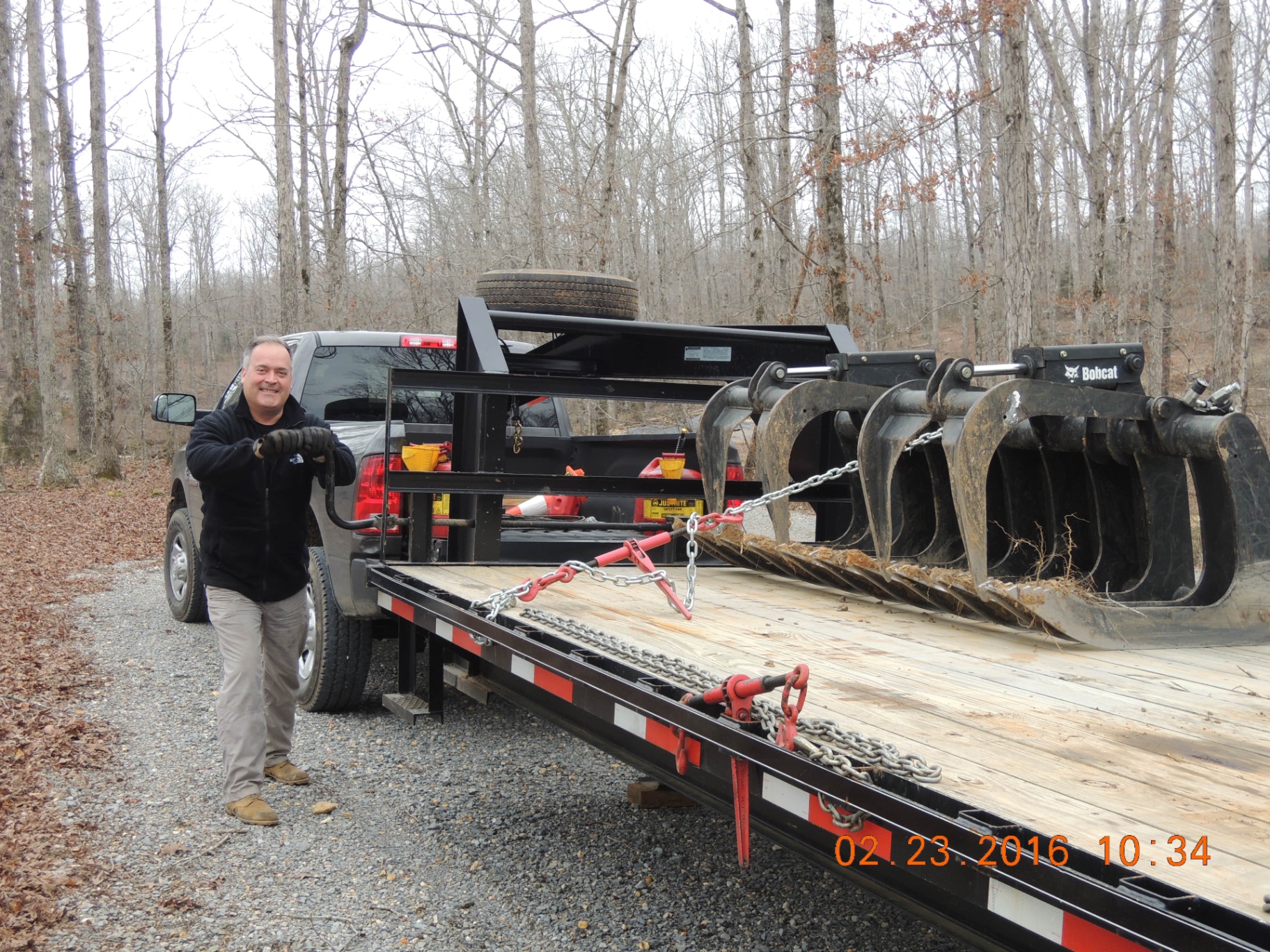
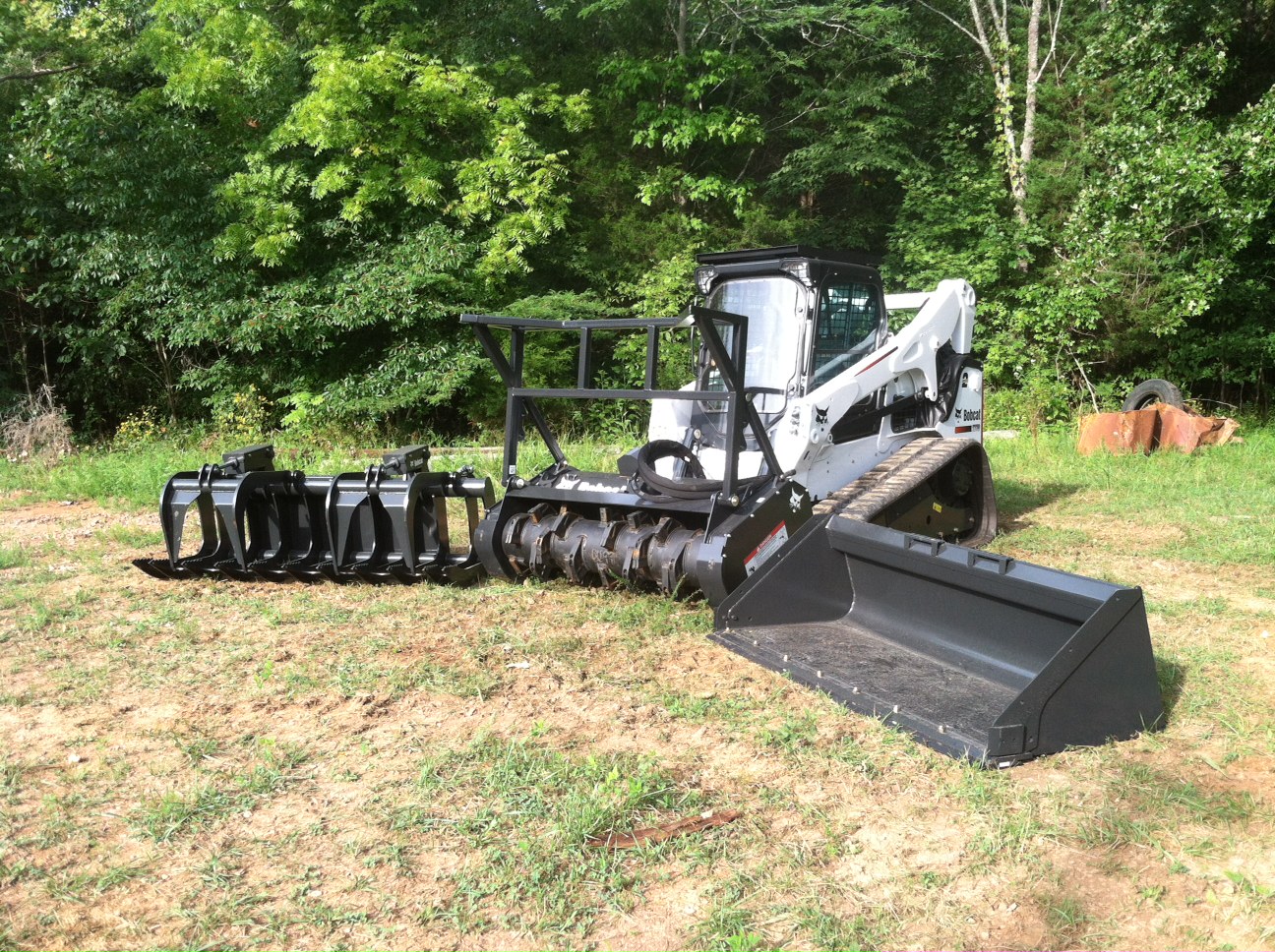
When I purchased my first skid steer, forestry mulcher, truck, trailer, and equipment to start my forestry mulching business in 2014, I thought I understood what it would take to build a profitable business.
I knew my monthly equipment payment.
I knew my truck payment.
I knew what I paid for insurance.
I tracked my fuel and maintenance expenses.
I built Excel spreadsheets.
I kept accurate records in QuickBooks.
I even had a solid understanding of economics and knew that pricing had to balance supply, demand, and competition.
My thinking seemed logical.
If I generated enough work each month to cover my payments and still had money left over, I believed I was building a profitable business.
Looking back, I wasn't careless.
I was simply making the same assumption thousands of equipment owners still make today.
I was confusing monthly payments with the true cost of owning and operating equipment.
That realization came during my very first tax season.
When I completed my federal Schedule C and totaled every business expense—including many costs I hadn't considered while pricing jobs—I discovered something I hadn't expected.
I wasn't making the profit I thought I was.
In fact, I was losing money.
Not because I wasn't working hard.
Not because there wasn't enough work.
But because I didn't yet understand everything that truly went into owning and operating a piece of equipment.
That realization changed everything.
Instead of accepting that loss as part of learning, I started researching how professional organizations calculated equipment ownership costs.
That research eventually led me to the methodology published by the U.S. Army Corps of Engineers (USACE).
For the first time, I found a complete methodology that accounted for the full cost of equipment ownership:
- Depreciation
- Financing
- Insurance
- Fuel
- Repairs
- Maintenance
- Productive hours
- Overhead
- And many of the expenses that are easy to overlook when you're simply trying to keep a business running
I carefully built those formulas into an Excel spreadsheet using my own equipment and business numbers.
For the first time, I wasn't guessing what my equipment cost to own.
I knew.
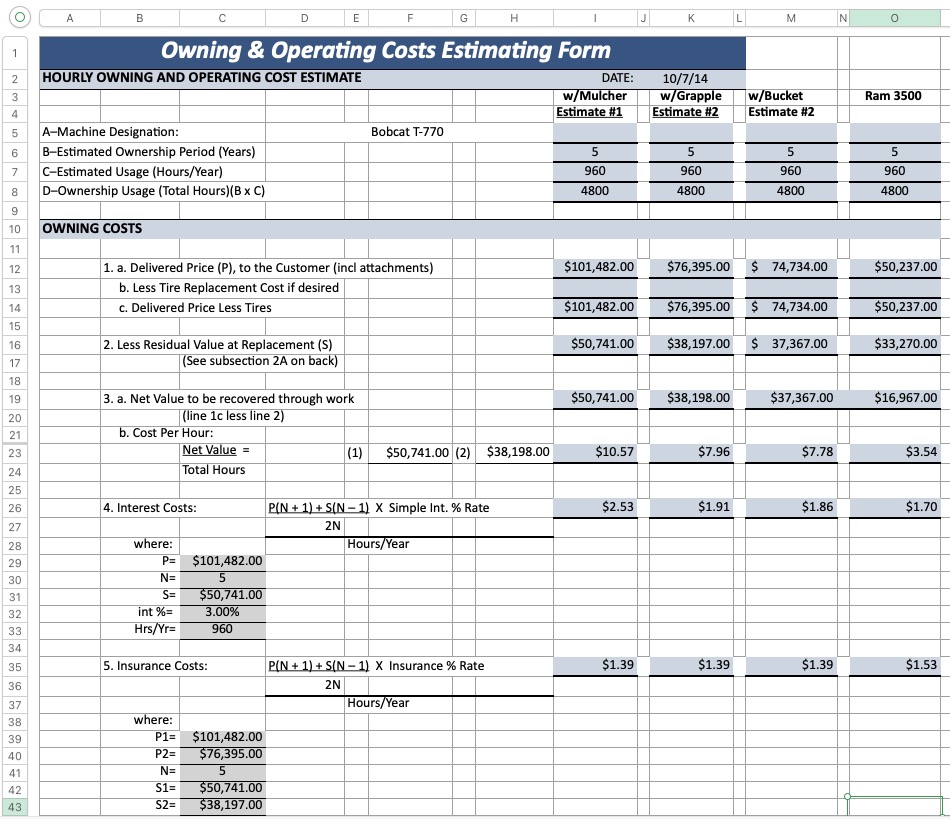
That spreadsheet wasn't merely an early idea for TRUEHOUR. It became TRUEHOUR's foundation.
As I continued operating my business, I realized I wasn't the only person struggling with equipment economics.
New owner-operators were asking the same questions I had asked when I started.
"How much should I charge?"
"How do I know if I'm actually making money?"
"What does my equipment really cost to own?"
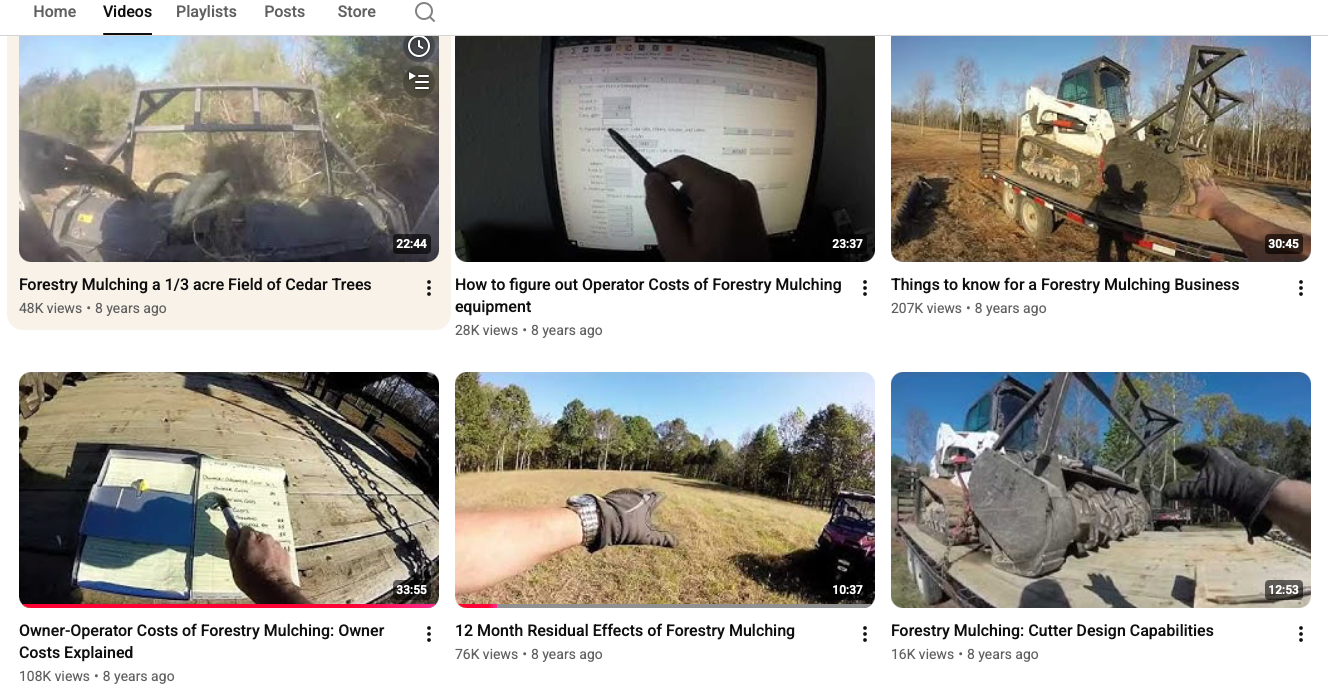
I began sharing what I was learning through my Clevinger Forest Services YouTube channel.
Rather than focusing only on operating equipment, I started producing videos explaining the business side of equipment ownership—ownership costs, operating costs, depreciation, productive hours, and the financial decisions that determine whether an equipment business succeeds or struggles.
To my surprise, those videos reached hundreds of thousands of equipment owners.
One video explaining equipment ownership costs has been viewed more than 100,000 times.
Another discussing the business side of forestry mulching has been viewed more than 200,000 times.
The response confirmed something I hadn't fully appreciated.
This wasn't just my problem.
It was an industry-wide problem.
Contractors weren't asking because they lacked work ethic.
They were asking because nobody had ever taught them how to understand the true economics of owning equipment.
Over the next decade, I sold hundreds of copies of my ownership and operating cost spreadsheet to contractors across the country.
What they were really buying wasn't another calculator.
They were buying confidence.
Confidence that the numbers they were using to make business decisions were based on a proven methodology rather than guesswork.
Eventually, I realized the spreadsheet had reached its limits.
Every new feature made it more complicated.
Contractors wanted help estimating jobs, understanding profitability, comparing equipment, organizing expenses, and managing their businesses—not just calculating ownership costs.
The spreadsheet solved one important problem.
It couldn't solve the entire business.
For years, I envisioned something bigger.
Then AI-assisted software development finally made professional application development accessible to small businesses like mine. With guidance from my son, a network engineer, I was finally able to transform more than a decade of experience and continuous refinement into the software I had envisioned.
That software became TRUEHOUR.
TRUEHOUR starts with the equipment economics principles that changed how I managed my own business, but it carries those principles through the larger workflow of operating an equipment-based company.
It helps owners calculate ownership, operating, and overhead costs; evaluate productive hours; determine recommended billing rates using their chosen markup; build and send professional estimates; track jobs; compare estimated results against actual performance; record expenses; compare equipment; generate Schedule C summaries and business reports; synchronize data across devices; and use AI-assisted guidance informed by their own equipment and business information.
These capabilities were not added merely to create a longer feature list.
They address the connected decisions that determine whether an equipment-based business remains financially sustainable.
Knowing the true hourly cost is not the finish line.
It is the foundation for every pricing, estimating, purchasing, and job-management decision that follows.
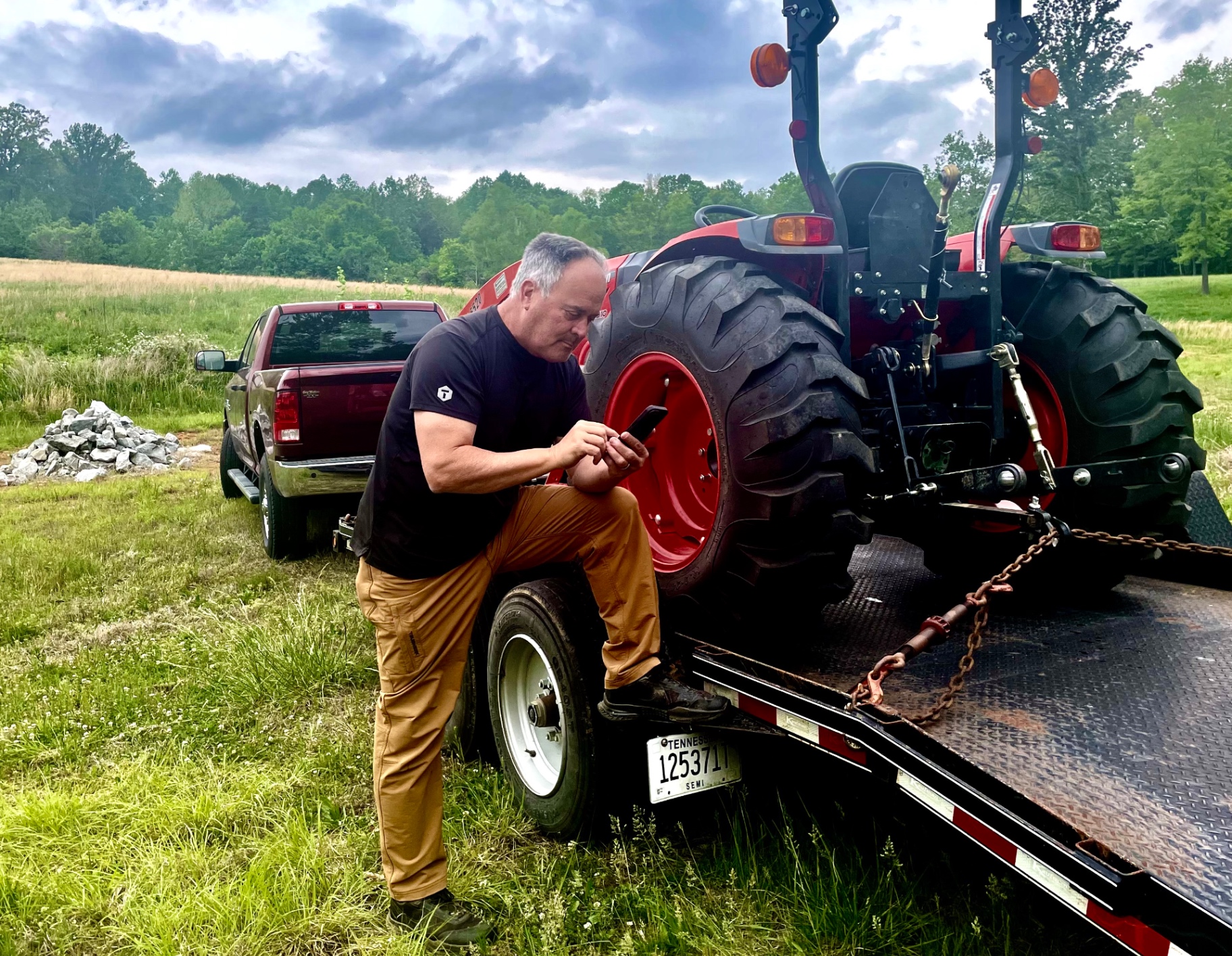
TRUEHOUR wasn't created because I wanted to build software.
It was created because, for more than a decade, I watched hardworking equipment owners ask the same pricing questions I once asked myself—and I wanted to give them a better answer.
Even today, I regularly see new owner-operators asking questions like:
"What's everyone charging per acre?"
"What's the going hourly rate?"
I don't criticize those questions.
I understand exactly why they're being asked.
Many have already invested well over $100,000 in equipment, trucks, trailers, and tools.
They're trying to protect that investment and build a successful business.
I also know they're asking the wrong question.
Because I once asked it myself.
Every business has different debt.
Different insurance costs.
Different utilization.
Different overhead.
Different maintenance expenses.
Different financial goals.
Someone else's hourly rate tells you almost nothing about what your business needs to charge.
Fortunately, I had a military retirement income and wasn't relying entirely on my new business to support a family while I learned those lessons.
Many entrepreneurs don't have that margin for error.
Learning the true cost of owning equipment after you've already made a six-figure investment can become an expensive lesson.
That's why TRUEHOUR exists.
Not to tell you what everyone else charges.
Not to replace your business judgment.
And certainly not to encourage guesswork.
TRUEHOUR exists to help equipment owners understand their equipment, their costs, and their business, so pricing decisions are based on facts instead of assumptions.
A Decade of Learning, Building, and Sharing
- 2014The Dream
Started a forestry mulching business and learned firsthand that monthly equipment payments do not equal the true cost of owning and operating equipment.
- 2014–2015The Lesson and the Solution
Researched the U.S. Army Corps of Engineers equipment methodology and built an Excel ownership and operating cost model using the published formulas.
- 2015–2025The Community
Sold hundreds of copies of the spreadsheet and shared practical equipment and business education through the Clevinger Forest Services YouTube channel, which grew to more than 14,000 subscribers.
- 2026The Evolution
Launched TRUEHOUR as a complete equipment-business application for iOS, Android, and desktop use.
What I Believe
I believe no contractor should have to guess what their equipment costs to own.
I believe business decisions should be based on accurate numbers—not opinions from strangers operating under completely different circumstances.
I believe every hardworking entrepreneur deserves the opportunity to build a profitable business and succeed financially.
If TRUEHOUR helps one new equipment owner avoid the mistakes I made, build a stronger business, and succeed financially, then everything that went into creating it will have been worth it.
Ready to understand what your equipment actually costs?
Download TRUEHOUR and start making business decisions based on your numbers—not someone else's.


Built by Walnut Flat LLC